Ascension: the ascension of Jesus
Ascension. Probably one of the most overlooked and underrated moments in the entire Bible. And yet without it, the story of Jesus would feel unfinished.
The ascension of Jesus is often treated like a brief epilogue — a quiet ending between the resurrection and the excitement of Pentecost. But in reality, the ascension is not the end of the story. It is the moment everything changes.
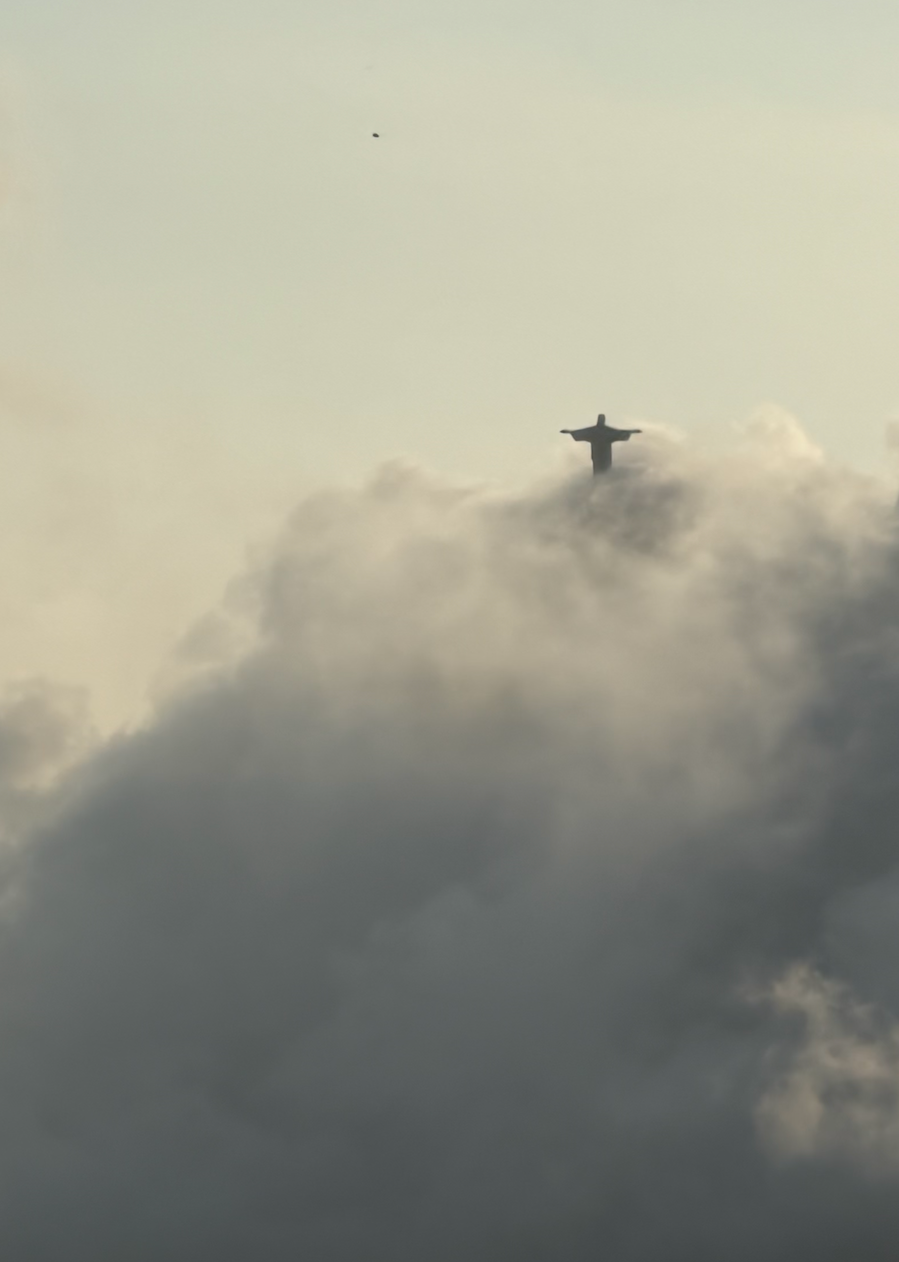
Ascension of Jesus
Imagine being there.
For forty days after His resurrection, Jesus had appeared to His followers again and again. He ate with them. Taught them. Walked with them. Proved to them that He was truly alive. After the horror of the crucifixion, the disciples finally had Him back. And then, suddenly, He leaves again.
Acts 1 tells us that while Jesus was speaking with His disciples near the Mount of Olives, He was lifted up before their eyes. Slowly, visibly, He ascended into heaven until the clouds hid Him from sight.
The disciples simply stood there staring upward. Then two men dressed in white appear beside them and ask a question that almost sounds surprising:
“Men of Galilee,” they said, “why do you stand here looking into the sky? This same Jesus, who has been taken from you into heaven, will come back in the same way you have seen him go into heaven.”
It is a gentle reminder that the mission of Jesus was never meant to end with people staring into the sky. There was work to do on earth. But before the disciples could move forward, they first had to understand what the ascension actually meant. Jesus was not abandoning them. He was being enthroned.




The Ascension Was Not a Disappearance
Many people picture the ascension as Jesus simply floating away into space. But biblically, the ascension is far bigger than that. It is the moment Jesus returns to glory.
The crucified and resurrected Christ takes His rightful place at the right hand of the Father — the position of authority, power, and kingship. The ascension is not about absence. It is about reign. Jesus is no longer walking dusty roads in Galilee. Now He rules as King.
That changes how we read the entire New Testament. The disciples were not just spreading memories of a good teacher they once followed. They were proclaiming that Jesus was alive, exalted, and reigning now.

Read the Full Story of Acts
The book of Acts is a story of courage, community, growth, and faith in motion—and over the next 28 days, you are invited to journey through it one step at a time.
Whether you are new to Acts or returning to it again, this reading plan offers an opportunity to slow down, reflect, and discover how the experiences of the early church still speak into our lives today.
As you read, you encounter stories of hope, challenge, generosity, and transformation. May these daily readings encourage you to reflect on your own faith, your community, and the ways God continues to work in the world.
Why did Jesus Had to Leave?
The disciples probably wanted Jesus to stay exactly as He was. Visible. Physical. Close. Wouldn’t we want the same?
And yet Jesus told them in the Gospel of John: “It is for your good that I am going away.” But why?
The answer is simple than we think: If Jesus stayed physically on earth, His presence would remain limited to one place at one time. But through the Holy Spirit, Jesus' presence would dwell with every believer everywhere.
The ascension that people now remember on Ascension Day was not the loss of Jesus’ presence. It was the beginning of a new kind of presence. One more powerful than the disciples could yet understand.
What does the Ascension of Jesus mean?
The same Jesus who experienced hunger, exhaustion, betrayal, sorrow, pain, and death now stands in heaven representing humanity before the Father. That means Christians do not pray to a God who is distant from human struggle. They pray to a Savior who understands their situation completely.
Hebrews describes Jesus as our High Priest — One who sympathizes with our weaknesses. The ascension means humanity has a representative in heaven. And that changes the way believers approach God.

Watch the Ascension come alive...
Ascension: the beginning of a worldwide movement
When Jesus disappeared in the clouds, there were no massive churches, nor Christian nations. Just a frightened group of ordinary people standing on a hillside outside Jerusalem.
And yet within a few decades, the message of Jesus would spread across the Roman Empire. That transformation begins at the ascension. The ascension forced the disciples to stop clinging to the physical presence of Jesus and start living by faith in the power of his Holy Spirit. The ascension marks the transition from “Jesus besides them” to “Christ working through them.”
The promise of Ascension
There is one final detail in Acts 1 that often gets missed. The ascension carries a promise.
The angels tell the disciples:
“Men of Galilee,” they said, “why do you stand here looking into the sky? This same Jesus, who has been taken from you into heaven, will come back in the same way you have seen him go into heaven.”
Jesus left — but He will return. Christianity is not only rooted in what Christ has done in the past. It also lives in expectation of what He will do in the future.
An Encouragement in Your Inbox Every Day?
Why the Ascension Still Matters Today
For many Christians, the cross feels personal. The resurrection feels victorious. But the ascension, what we celebrate on Ascension Day, can feel abstract.
Yet it may be one of the most practical truths in the Christian faith.
Because the ascension means:
Jesus is reigning even when the world feels chaotic.
Jesus is interceding for believers even in weakness.
Jesus has not abandoned His church.
Jesus will return.
And the mission of the gospel continues until He does.
The disciples once stood staring into the sky, wondering what came next.
Two thousand years later, people still ask the same question.
And the answer remains the same:
The King is on His throne.
The Spirit has been given.
And the story is not over yet.