John 11: Lazarus in the Bible
There are stories in Scripture you don’t just read—you sit with them.
The story of Lazarus in the Bible in John 11 is one of those.
It’s found in John 11:1–44, and on the surface, it’s about a miracle. But underneath, it’s about waiting, disappointment, friendship, grief, and trust.
How the story of Lazarus in the Bible begins
Picture a small village just outside Jerusalem—dusty paths, low stone houses, the quiet rhythm of ordinary life. Bethany. Inside one of those homes - the home of Lazarus, Mary and Martha - everything has shifted.
Lazarus is sick. Not the kind of sick you shake off in a few days. The sisters Mary and Martha decide to inform Jesus: “Lord, the one you love is sick.” They don’t appeal to His power, they appeal to His love. You can almost feel the expectation behind it. Of course He’ll come. Of course He’ll do something.
But Jesus does something confusing.
He waits.
continue reading below the recommended articles ⏬️




A Delay That Makes No Sense
If you’ve ever followed Jesus long enough, you’ve likely felt this:
You prayed.
You asked.
You trusted.
And… nothing happened.
That’s what happens in John 11. Jesus hears that Lazarus is sick—someone He deeply loves—and instead of rushing to help, Jesus stays where He is for two more days. It feels like indifference, doesn't it?
When Jesus heard it, he said, “This sickness will not end in death but is for the glory of God, so that the Son of God may be glorified through it.”
But here’s the tension:
Lazarus still dies.

Why three days?
Lazarus had been in the grave for four days: “By this time there is a bad odor, for he has been there four days” (John 11:39). The number of days matters symbolically.
In Jewish thought at the time, it was believed that the soul lingered near the body for three days after death, hoping to reenter it. By the fourth day, death was seen as final. So Jesus arriving after four days shows that this miracle is beyond human expectation — Lazarus is truly dead, and the resurrection power is fully evident.
There’s also a symbolic echo of three days in the Bible: Jonah spent three days in the belly of the great fish (Jonah 1:17), and Jesus Himself would rise on the third day (Matthew 16:21, Luke 24:7). In these stories, three days often represent a period of testing, waiting, or transformation, after which God brings life, deliverance, or resurrection.
Lazarus’ four days underline the completeness of death, while pointing toward the greater resurrection power that Jesus demonstrates in His own rising from the dead.
Jesus doesn't rush
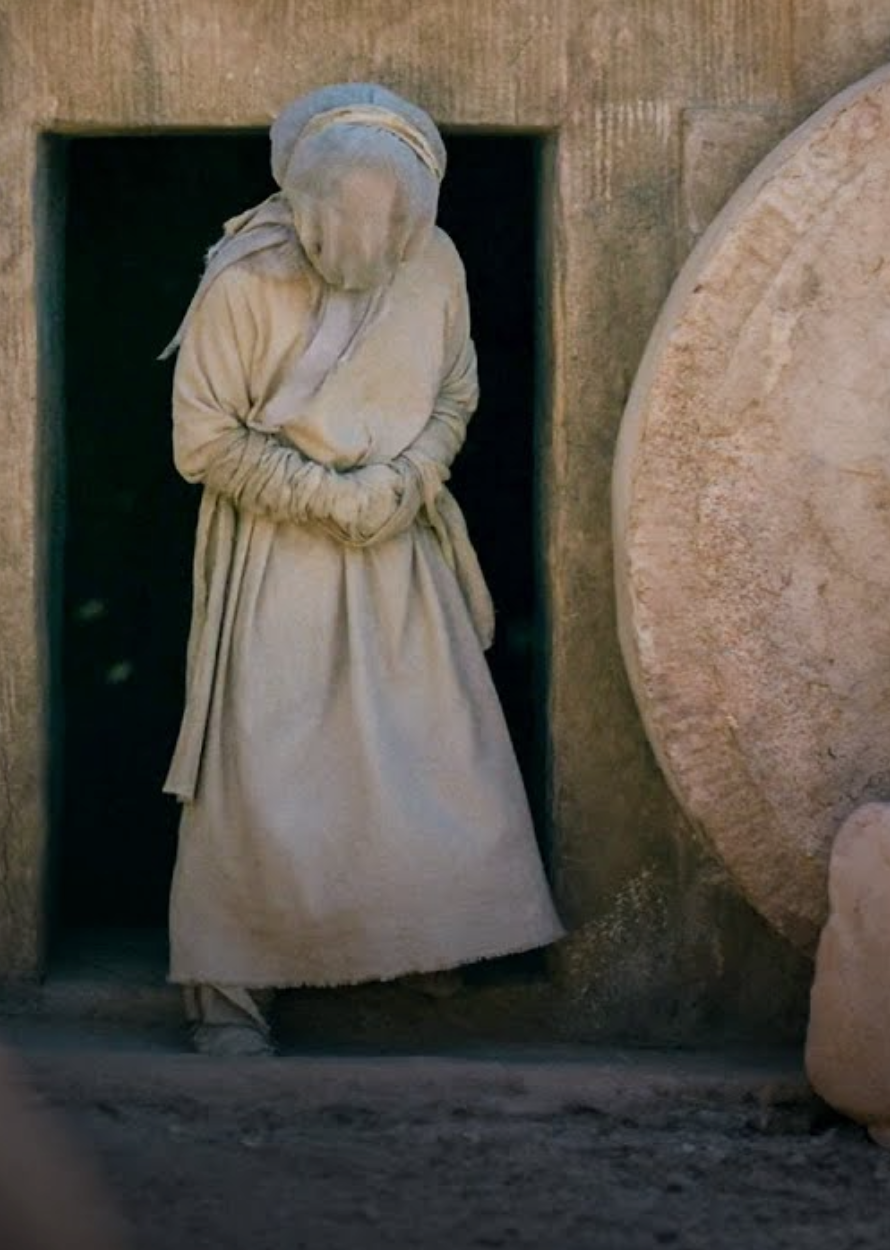
By the time Jesus arrives, Lazarus has been in the tomb for four days.
Martha meets Jesus first. And she says what many of us have thought:
“Lord, if you had been here, my brother would not have died.”
It’s not unbelief.
It’s disappointed faith.
Disappointed, because Jesus didn't rush and he didn't fix it right away.
He listens and starts weeping.
Then Jesus says something that reframes everything:
“I am the resurrection and the life.”
Jesus goes to the tomb.
He tells the people around to remove the stone.
Martha hesitates—understandably.
“There is a bad odor…”
In other words: "Jesus, this is beyond human repair..."
But Jesus calls Lazarus by name.
And Lazarus walks out.
Reflection for our own lives
We often want immediate answers and solutions. We want to see the miracle. But reality is that we experience hardships, grief and pain.
Maybe you have been praying for a miracle.
Maybe you feel in your life like Jesus is late.
Let the story of Lazarus be an encouragement to you:
What if the story isn’t over yet?

Why did Lazarus have to die?
Lazarus had to die because God’s timing served a greater purpose. If Jesus had healed him earlier, the miracle might have been ordinary. By allowing Lazarus to die and be in the tomb for four days, Jesus glorified God in an extraordinary way, showing His power over death and revealing Himself as “the resurrection and the life” (John 11:25–26). The suffering of Lazarus, his family, and even Jesus Himself highlights that grief and loss are part of God’s plan to display His glory and deepen faith.
Suffering, while painful, can have a divine purpose in our own lives too. Hardships draw us closer to God, cultivate intimacy with Him, and allow His strength to shine through our weakness (2 Corinthians 12:9). Like Lazarus, our trials can reveal God’s love and power, transforming what seems tragic into a testimony of hope. In that light, suffering isn’t meaningless. It can be a pathway to deeper life in Christ.