The History of Easter and Meaning of Easter
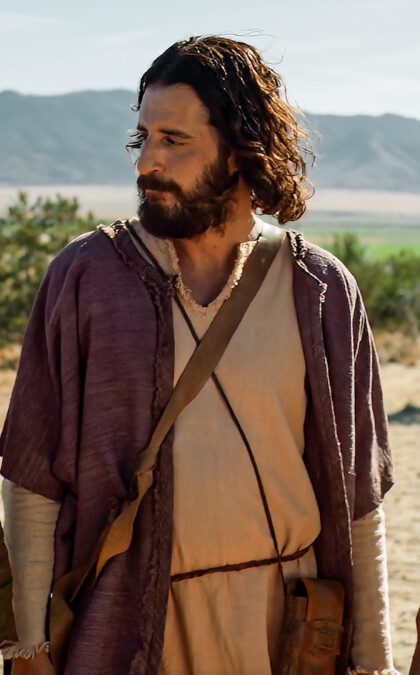
Easter remembers the death and resurrection of Jesus Christ over 2,000 years ago, an event that stands at the very heart of the Christian faith.
The Story of Easter
What is Easter?
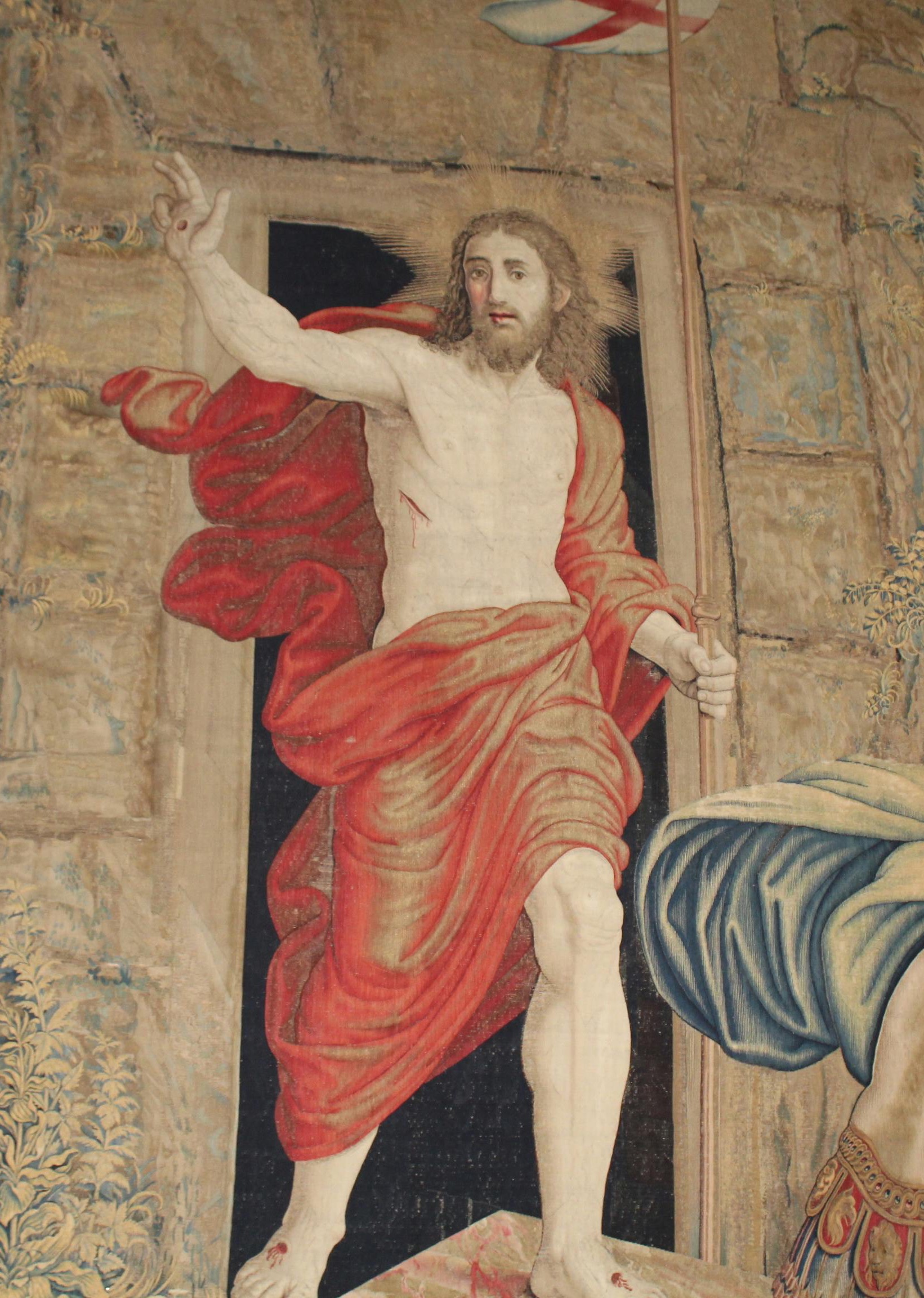
Easter commemorates the death and resurrection of Jesus Christ, which took place in Jerusalem more than 2,000 years ago. According to the Bible, Jesus was crucified, buried, and rose from the dead on the third day.
This moment was not accidental or symbolic, but it fulfilled God’s plan to restore humanity. As Jesus Himself said, “I am the resurrection and the life. The one who believes in me will live, even though they die.” (John 11:25)
Easter invites people to consider a powerful truth: death does not have the final word.
Why the Resurrection Matters
The resurrection of Jesus is central to Christianity. Without it, faith would be empty, but because Jesus rose, hope is real.
Jesus willingly suffered and died on the cross, carrying humanity’s sin, shame, and brokenness. His resurrection proves that His sacrifice was accepted and that forgiveness is possible. As Scripture says, “He was delivered over to death for our sins and was raised to life for our justification.” (Romans 4:25)
For believers today, the resurrection means:
Hope beyond suffering.
Forgiveness beyond failure.
New life beyond the past.
Easter reminds us that no story is too broken for redemption.
How Easter Became a Holiday
Why Easter Is Celebrated on a Sunday
Jesus’ resurrection is believed to have occurred on a Sunday. Early Christians gathered weekly on this day to worship and remember His victory over death. Over time, Easter Sunday became an annual celebration centered on the risen Christ.
Sunday worship itself became a reminder that resurrection, not death, defines the Christian story.
Why the Date of Easter Changes
Unlike Christmas, Easter does not have a fixed date. It is connected to the Jewish festival of Passover and follows the lunar calendar. Easter falls on the first Sunday after the full moon following the spring equinox, which is why it can occur between late March and late April.
This timing is significant, as Jesus’ crucifixion and resurrection happened during Passover which is a season that already symbolized deliverance and freedom.
How Easter Got Its Name
Where the Name Comes From
In many languages, the word for Easter comes from Passover (such as Pascha). In English and German, the name “Easter” is linked to ancient spring traditions and the changing of seasons.
While the name reflects renewal and life, Christianity reshaped its meaning entirely, pointing to the resurrection of Jesus as the ultimate renewal of humanity.
Symbols of Easter
Throughout history, symbols have helped people understand deeper spiritual truths. Easter symbols often reflect themes of life, renewal, and victory (all pointing back to the resurrection).
Christian Easter Symbolism
Easter Eggs
The Easter Bunny
The White Lily
Christian Easter Symbolism
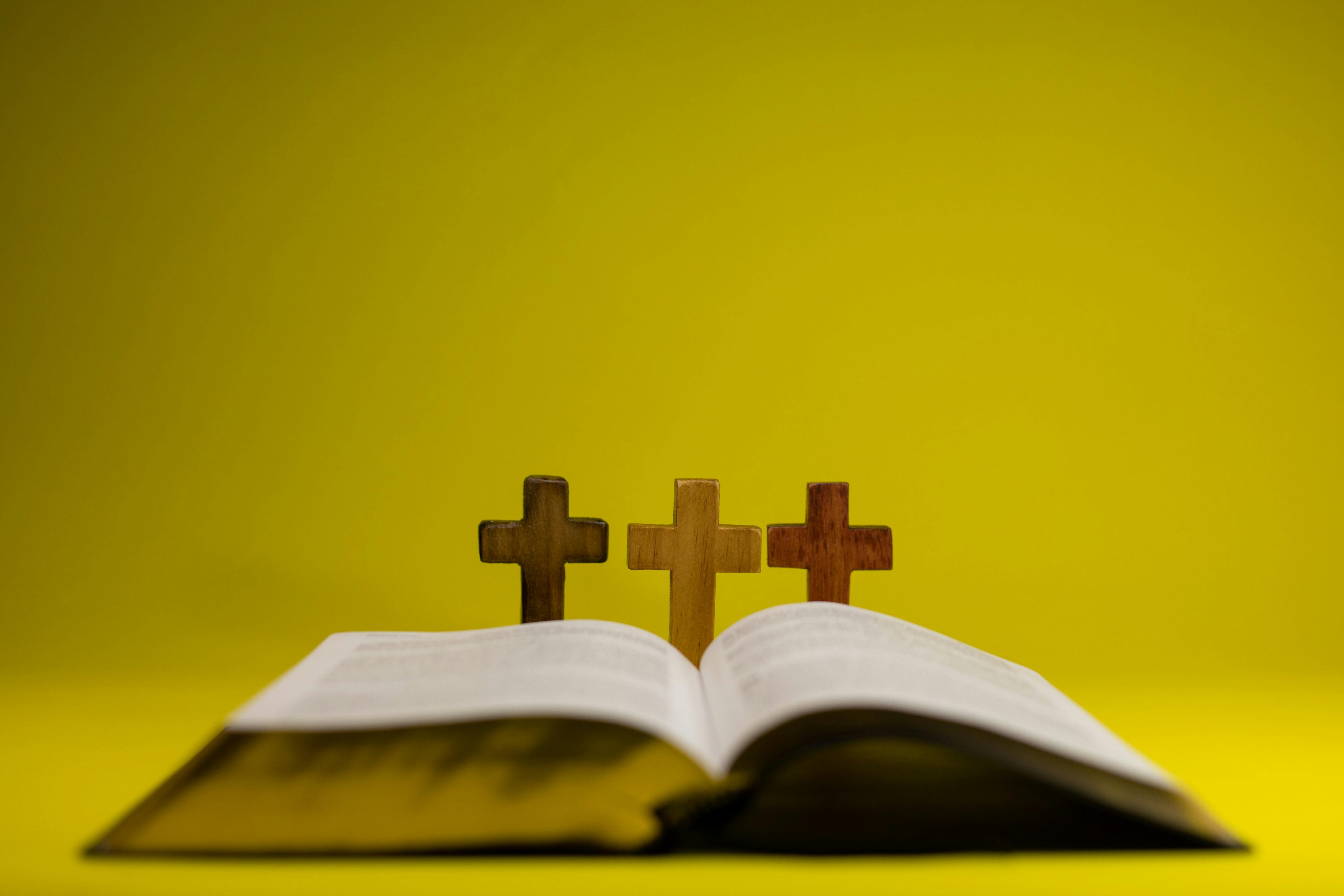
Crosses and crucifixes remain central Easter symbols, representing both Jesus’ suffering and His victory. Palm branches recall Jesus’ entry into Jerusalem before His crucifixion, while lambs symbolize innocence and new beginnings.
Each symbol ultimately points back to the same truth: The grave was not the end!
Easter Eggs

The Easter egg is one of the holiday’s most recognizable symbols. Long before modern celebrations, eggs symbolized life and rebirth. Early Christians later adopted the egg as a symbol of the empty tomb (closed on the outside, yet bursting with new life within).
Today, Easter egg hunts are playful and joyful, but they echo a deeper message: life emerged where death was expected.
The Easter Bunny

Rabbits have long symbolized fertility and new life due to their rapid reproduction. Over time, this imagery became part of Easter celebrations, especially in Western cultures.
While the Easter Bunny is a cultural tradition, it reflects a broader theme: life returning after winter. For Christians, this points beyond nature to the resurrection of Jesus, where life triumphed over death in the most profound way.
The White Lily

The white lily, often called the Easter lily, is closely associated with the holiday. It symbolizes purity, hope, and resurrection. Tradition holds that lilies grew in the Garden of Gethsemane, where Jesus prayed before His arrest.
Other spring flowers, such as daffodils, tulips, and crocuses, are also linked to Easter, reminding believers that new life follows even the darkest seasons.
12 things you didn't know about Easter
Easter fulfills Old Testament prophecies written centuries before Jesus’ birth (Isaiah 53:3-5, Psalm 22:16-18, Isaiah 53:7, Zechariah 11:12-13, Psalm 34:20, Isaiah 53:9, and Psalm 16:10).
The events of Easter took place during Passover, connecting Jesus to God’s promise of deliverance.
Jesus willingly entered suffering, knowing the cross was part of God’s redemptive plan.
The resurrection was initially met with doubt, even by Jesus’ closest followers.
Early Christians were willing to die for their belief that Jesus rose from the dead.
Easter marks the foundation of Christian hope and salvation.
The resurrection affirms that forgiveness is possible for anyone, regardless of their past.
Easter is not just about life after death, but about transformed life today.
Sunrise services reflect the moment women discovered the empty tomb at dawn.
Easter reminds believers that suffering does not have the final word.
The message of Easter continues to spread across cultures and generations worldwide.
At its core, Easter declares that love is stronger than death.
Why Easter Still Matters Today
Easter is more than a historical event or seasonal celebration. It is an invitation to hope, to forgiveness, and to new life through Jesus Christ.
For anyone carrying doubt, pain, or longing, Easter offers a simple but powerful message: the tomb is empty, and hope is alive.