The Triumphal Entry into Jerusalem:
first Hosanna… but soon, the cross?
You see it all the time in sports. A new coach or a star player is welcomed with cheers. Scarves in the air, fireworks going off, everyone convinced this is the beginning of something great. And one season later the booing begins. The hero does not deliver what people hoped for. “Get him out!”
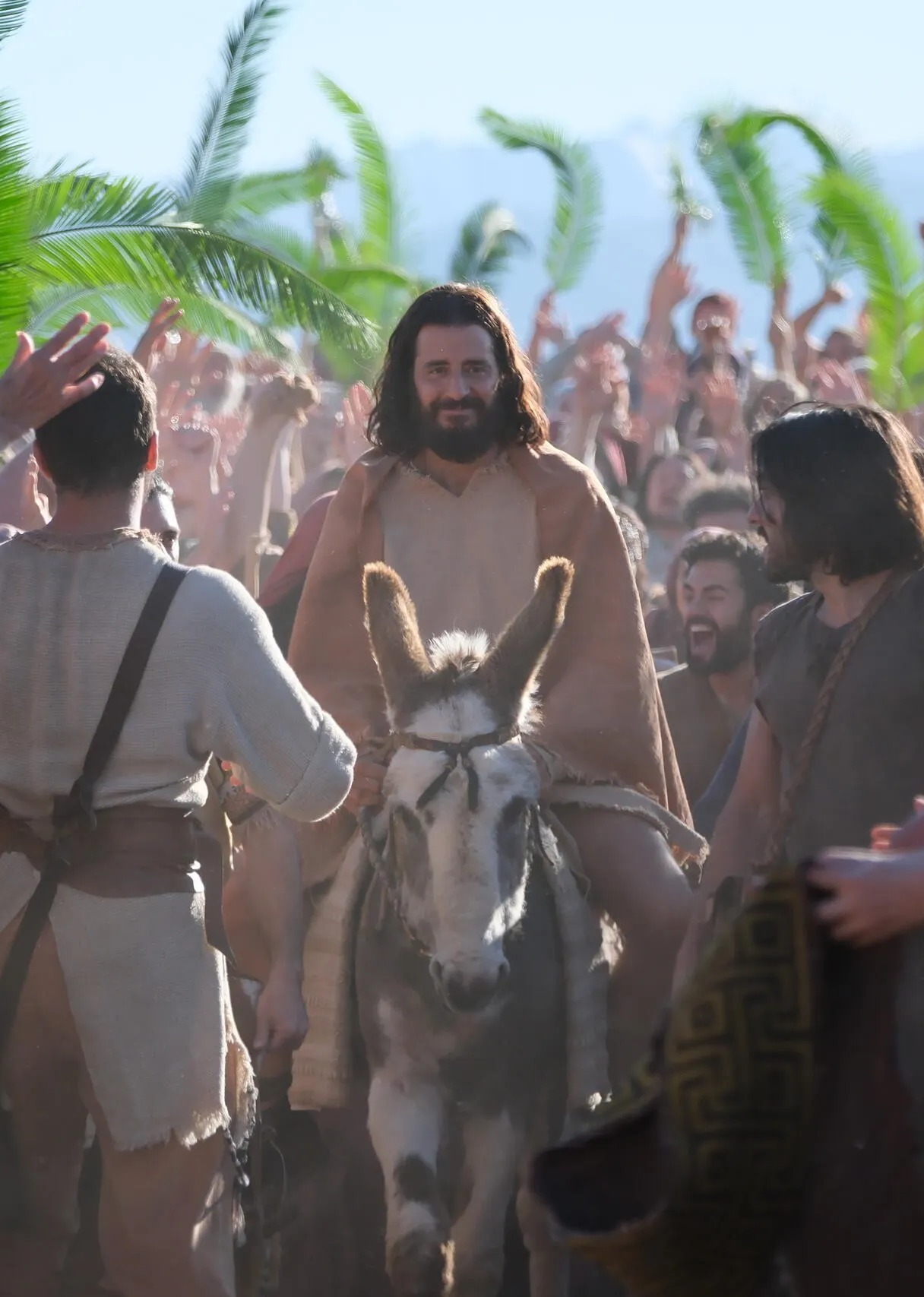
Something very similar hangs over Jesus’ entry into Jerusalem, as we read about in the Bible (see Matthew 21:1-11) and portrayed in the first episode of Season 5 of The Chosen. He is welcomed into the city with shouts of praise: “Hosanna!” But unlike a professional sports player received with excitement and adoration, Jesus already knew He would not meet the expectations of His “fans.”
Managing expectations
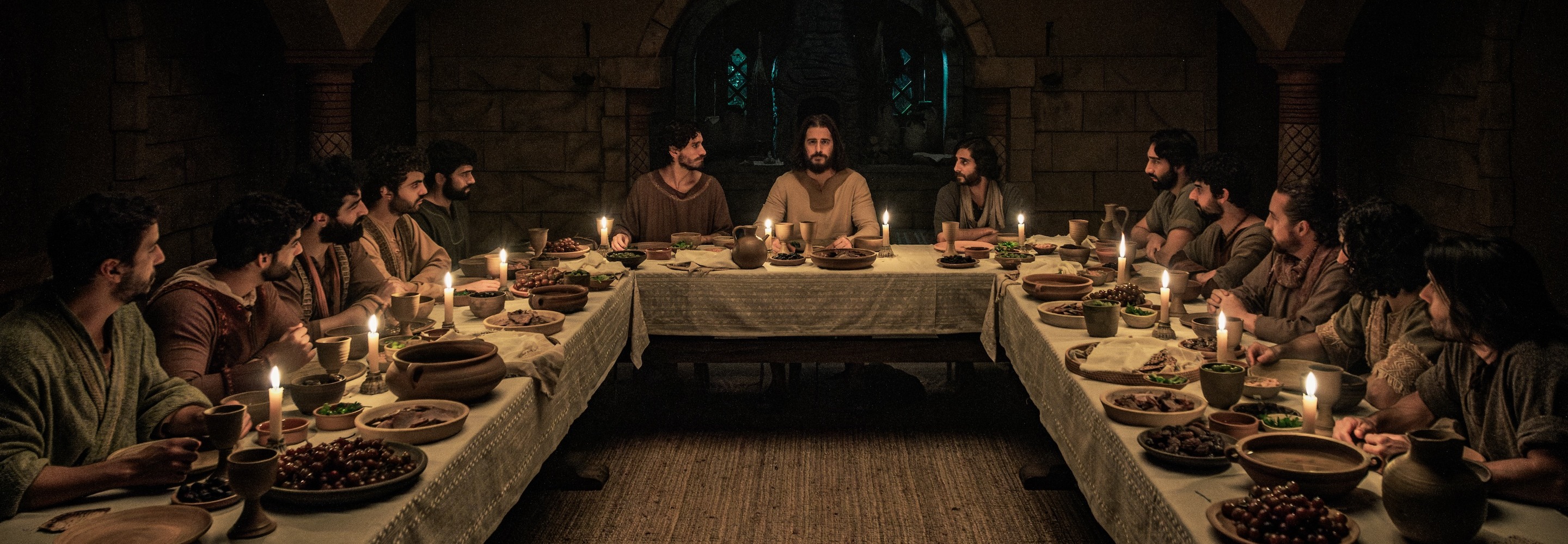
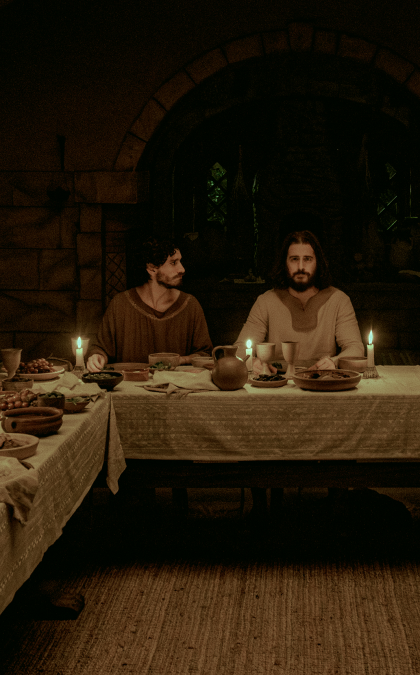
Jesus knows what lies ahead for Him and His disciples. Looking ahead to the Last Supper, He tells them, “You will weep and mourn…” But He also says, “…your grief will turn into joy.” (see John 16:20). Jesus speaks about suffering that is coming, about an hour that is approaching, about a climax that is drawing near. The disciples listen and feel relieved when He seems to speak so clearly and directly. But Jesus quickly tempers their confidence when He tells them, “You will be scattered” (see John 16:32). This is how He manages their expectations.
Watch the scene here:

Expectations in the air
But the expectations of the crowd cannot be managed. As Jesus sits on the donkey, expectations are literally in the air: “Hosanna to the Son of David!” they sing everywhere. They sing it with passion and intensity.
Hosanna means "Save us". It is a prayer, but also an expectation: "Save us from Rome. Save us from humiliation. Save us now. Just as King David once did, with the sword!" Because when people cry out for salvation, they usually already have a picture in mind of what that salvation should look like.
Whoever cries out for salvation usually already has a picture in mind of what that salvation should look like.
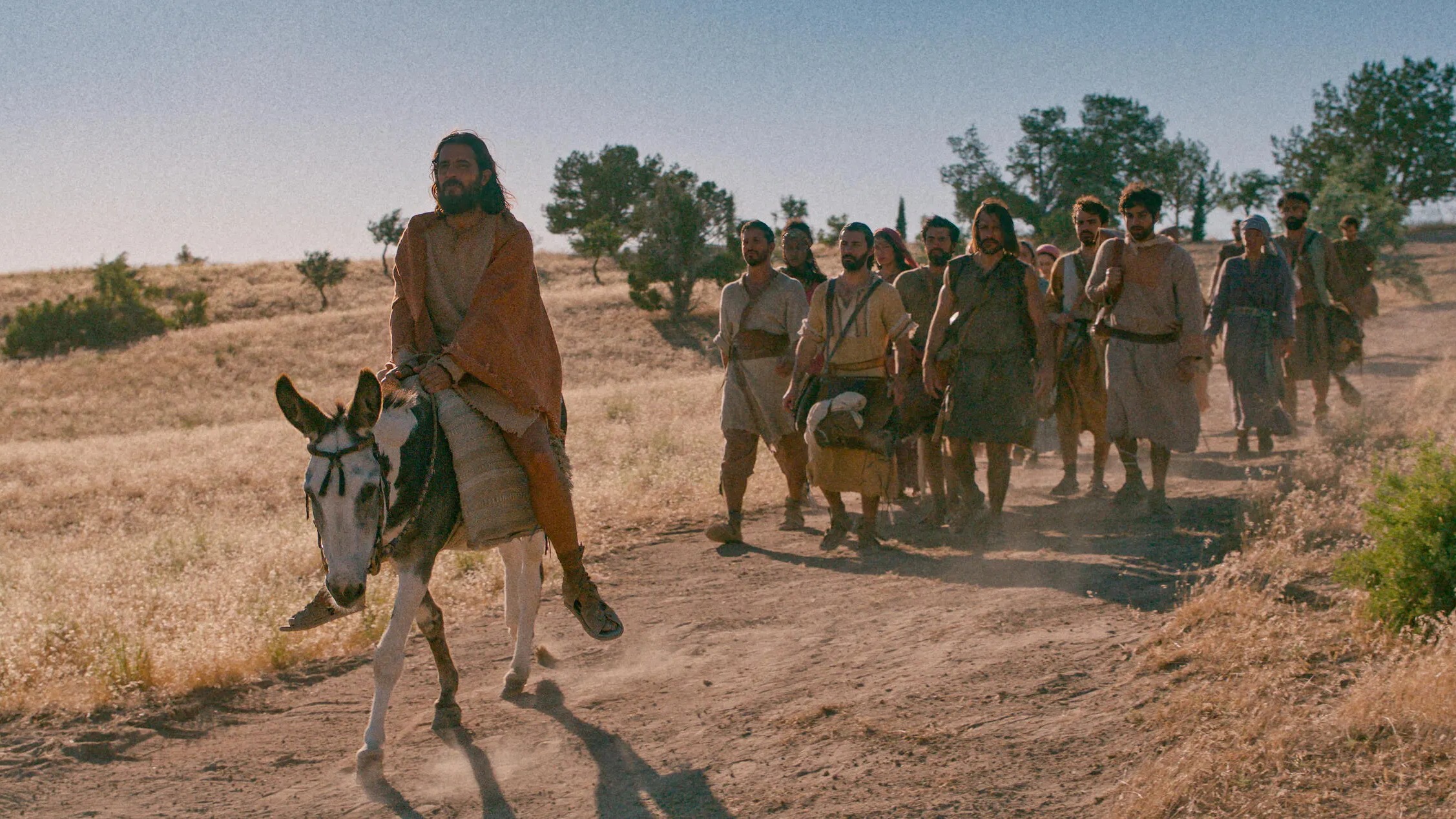
The donkey as a pedestal
And you can see it happen. When Jesus finally rides into Jerusalem on a donkey, some immediately recognize the prophecy from Zechariah: “See, your king comes to you, righteous and victorious, lowly and riding on a donkey, on a colt, the foal of a donkey.”
In this moment, they see the king they want Him to be. A revolutionary leader. A national liberator. The irony is almost painful. What the people shout is completely true, but they do not understand why. They sing the truth, but with the wrong script in mind.
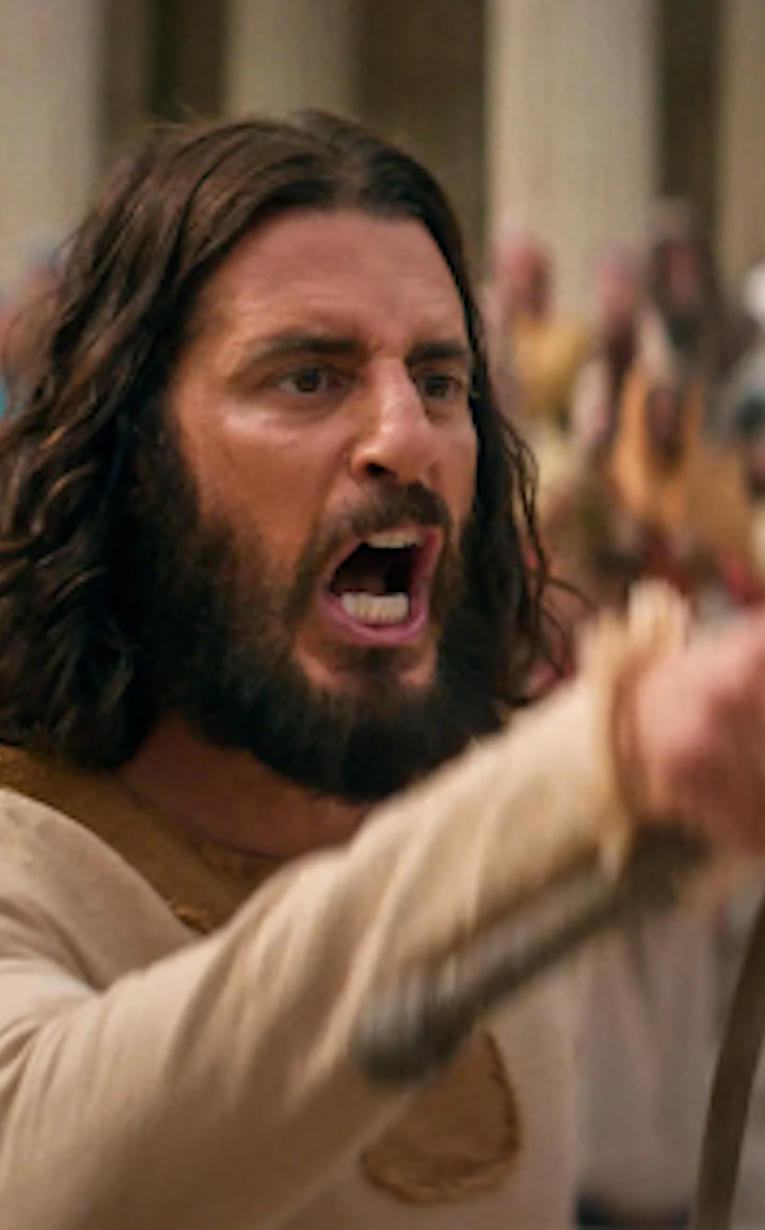
Even Jesus’ opponents sense what is happening. In The Chosen, they say, “Because you have declared yourself a ruler, Rome will come after all of us!” In the background, the religious leaders argue about control, order, financial power, and executions. The city cheers, but those in power are calculating. And so the donkey becomes a moving pedestal, lifting up the king people want Him to be.
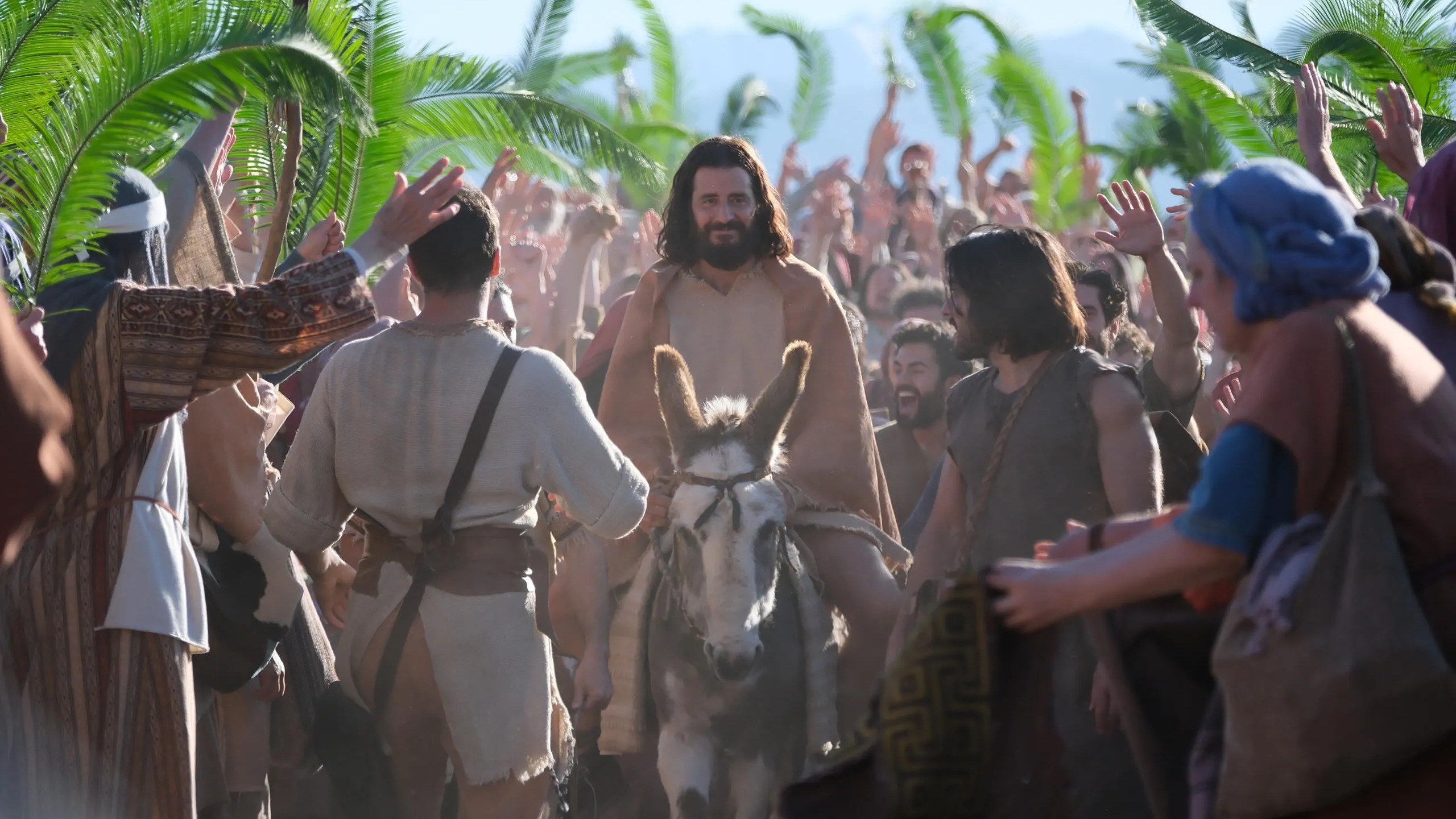
The tears of the King
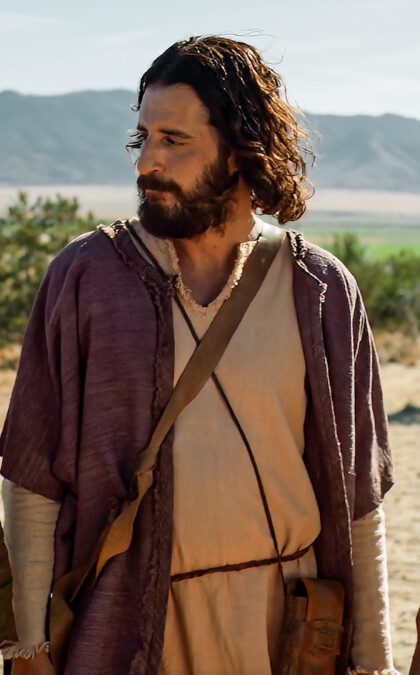
And no one, not even the disciples around Jesus, would expect the True King to be a weeping king. Yet in the midst of the songs of praise, the waving palm branches, and the cloaks spread out before Him, The Chosen shows us how deeply it all affects Jesus. In a vision, He sees blood on the walls of the city. And the two Marys witness how He suddenly falls silent. In Luke 19:41-44 we read:“As He approached Jerusalem and saw the city, He wept over it and said, ‘If you, even you, had only known on this day what would bring you peace… but now it is hidden from your eyes.’”
In the midst of songs of praise, waving palm branches, and cloaks laid before Him, we see how deeply it touches Jesus.
What is true?
Have you already watched the first episode of Season 5? Maybe it gave you goosebumps. Maybe in your imagination you are standing along the road, singing along, feeling the excitement of the moment. Or perhaps you feel more like one of the disciples: joyful, yet with an undefined sense of tension.
That tension is justified. The disciples cannot yet grasp what Jesus already feels so deeply: after this “Hosanna,” the cross will soon follow. The wood of the cross on which He will be nailed and die. Above His head they will fasten a sign bearing the very title that is now being sung so enthusiastically: King.
The procession enters Jerusalem. The people sing what is true, but not in the way they think. It is easy to sing along when expectations are high. It becomes harder when the King turns out to reign differently than we had hoped.
Because in the end, each of us stands somewhere in that procession: singing, doubting, waiting, or somewhere in between. And then the question is not what we shout along with, but who or what we are calling upon. A king who must fulfill our expectations, or the King who does not hide His tears and does not avoid the wood of the cross?