Pentecost: The Day the Holy Spirit Came and the Church Was Born
Pentecost is one of the most important events in Christianity. It marks the day when Jesus' followers received the Holy Spirit—the presence and power of God in their lives.
According to the Bible, Pentecost took place shortly after Jesus' death, resurrection, and return to heaven. What happened that first Pentecost transformed a small group of ordinary people into a movement that would spread across the world.
Pentecost in One Minute
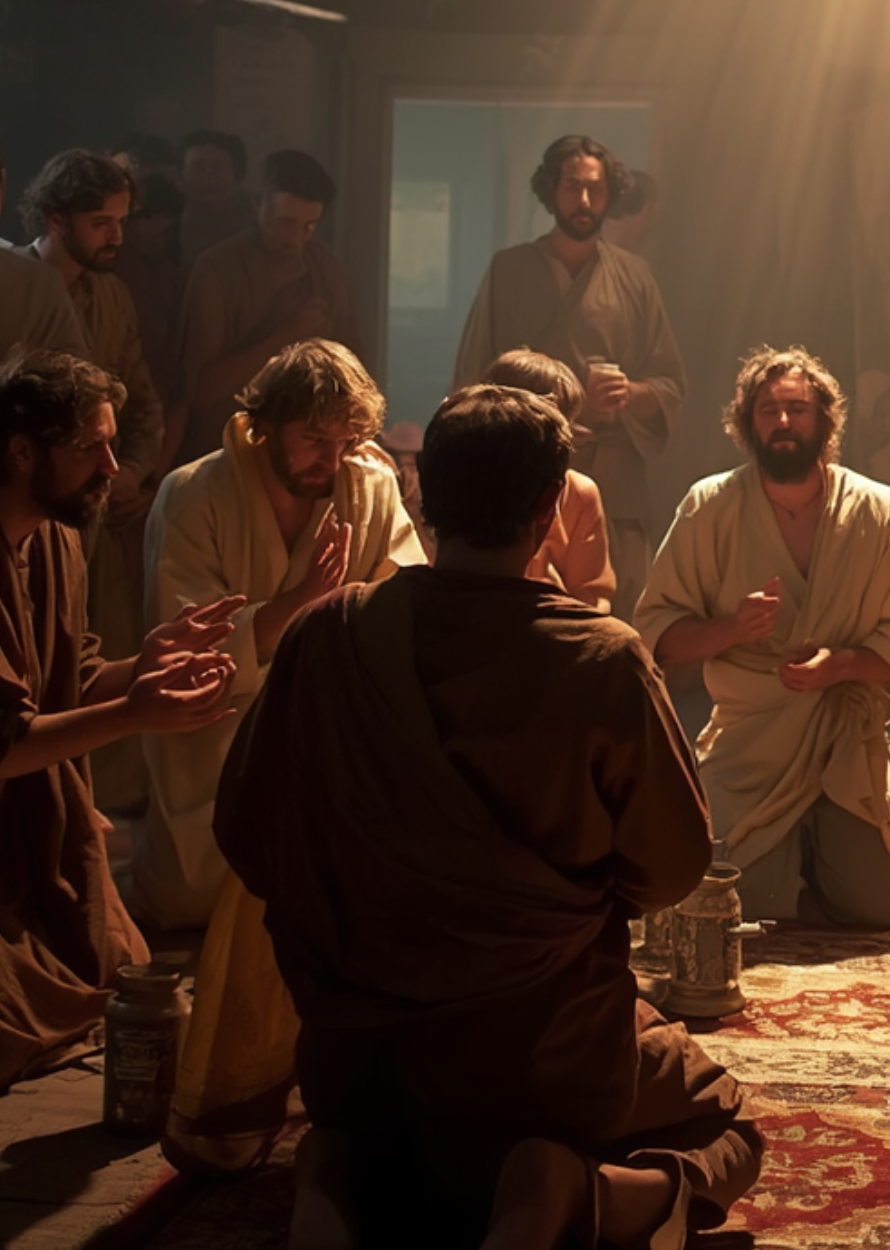
Pentecost is the Christian celebration of the day God's Holy Spirit came upon Jesus' followers, about seven weeks after Easter. The story is found in Acts 2, in the New Testament in the Bible. According to the Bible, Jesus' followers were gathered in Jerusalem when they experienced the Holy Spirit in a powerful way. A sound like wind filled the house, something what looked like tongues of fire appeared above them, and they began speaking in different languages.
The event drew a crowd, thousands heard the message about Jesus, and many chose to follow Him. For this reason, Pentecost is often called the "birthday of the Church."

What Is Pentecost?
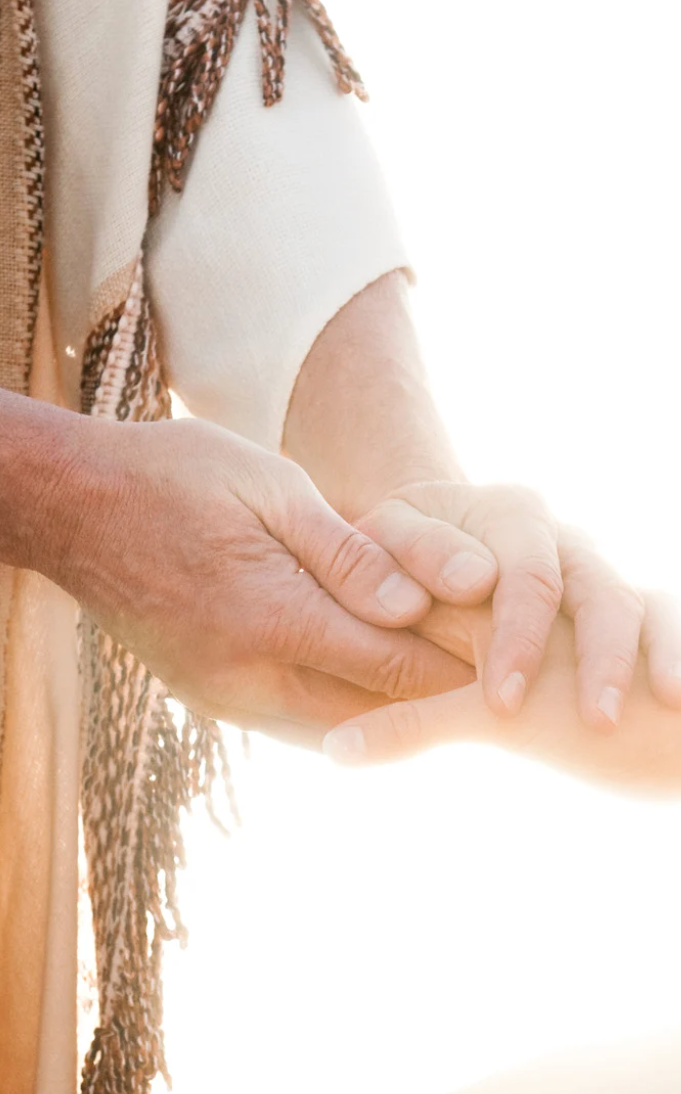
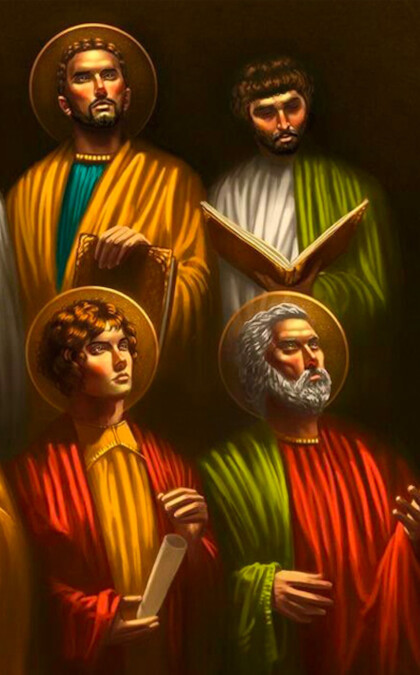
The story is found in Acts 2. Fifty days after Jesus' resurrection and ten days after His ascension into heaven, the disciples were gathered together in Jerusalem when something extraordinary happened. A sound like a rushing wind filled the house. Tongues of fire appeared and rested on each believer. They were filled with the Holy Spirit and began speaking in languages they had never learned.
What happened next changed history forever.
Thousands of people heard the Gospel in their own languages, many believed, and the Church was born.
Pentecost is not simply a historical event remembered once a year. It is a powerful reminder that God still works through ordinary people by the power of His Spirit.
Who Is the Holy Spirit?
For many people, the Holy Spirit is the most difficult part of Christianity to understand.
Christians believe that God is revealed as Father, Son, and Holy Spirit.
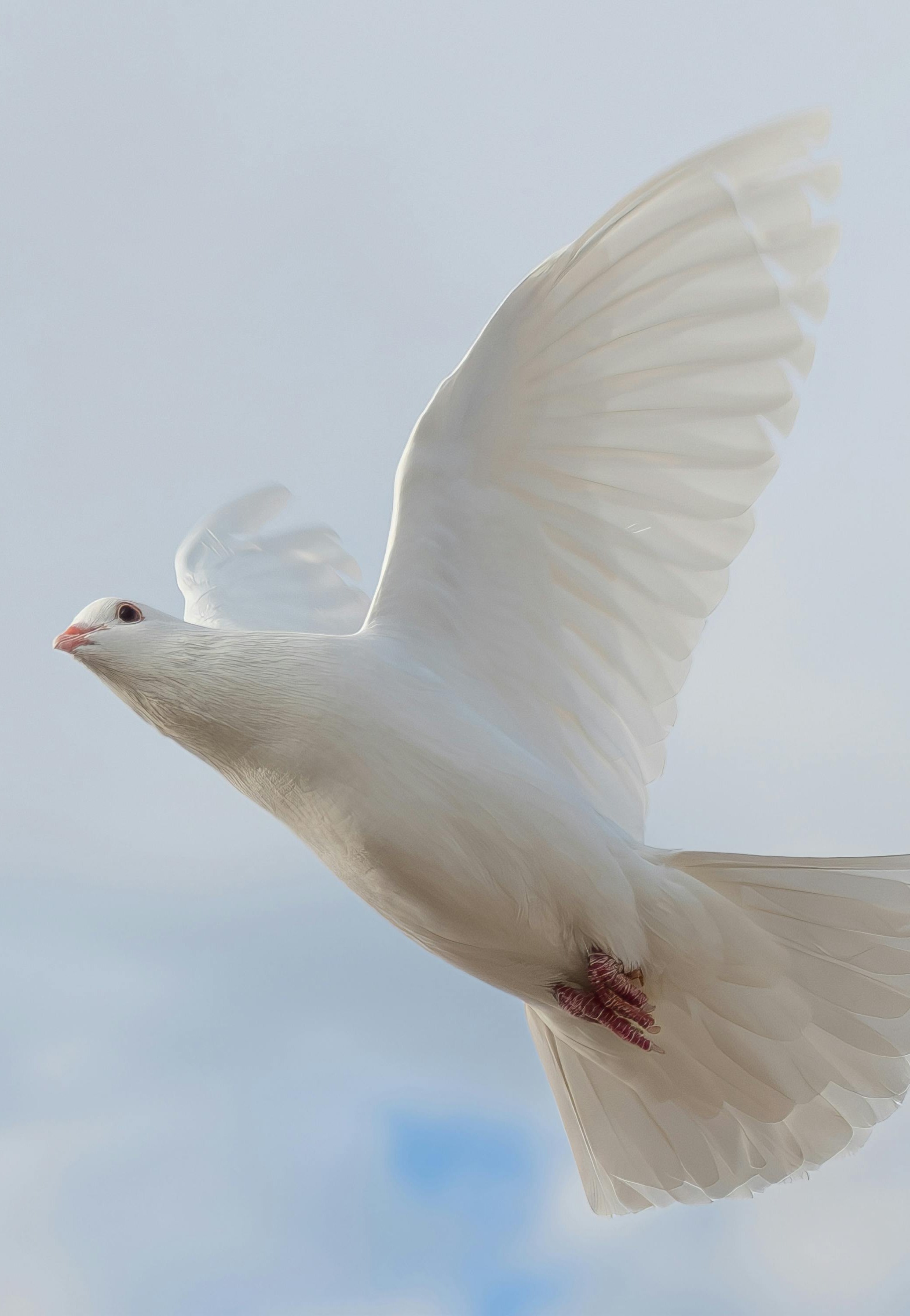
The Holy Spirit is not simply a feeling, force, or source of inspiration. Christians believe the Holy Spirit is God's presence actively at work in the world and in people's lives.
Jesus described the Holy Spirit as a helper, guide, comforter, and teacher.
At Pentecost, believers experienced that presence in a new and powerful way.
Pentecost in the Bible: Acts 2
Let's read the story of Pentecost in Acts 2:
When the day of Pentecost came, they were all together in one place. Suddenly a sound like the blowing of a violent wind came from heaven and filled the whole house where they were sitting. They saw what seemed to be tongues of fire that separated and came to rest on each of them. 4 All of them were filled with the Holy Spirit and began to speak in other tongues[a] as the Spirit enabled them.
Now there were staying in Jerusalem God-fearing Jews from every nation under heaven. When they heard this sound, a crowd came together in bewilderment, because each one heard their own language being spoken.
Utterly amazed, they asked: “Aren’t all these who are speaking Galileans? Then how is it that each of us hears them in our native language? Parthians, Medes and Elamites; residents of Mesopotamia, Judea and Cappadocia, Pontus and Asia, Phrygia and Pamphylia, Egypt and the parts of Libya near Cyrene; visitors from Rome (both Jews and converts to Judaism); Cretans and Arabs—we hear them declaring the wonders of God in our own tongues!” Amazed and perplexed, they asked one another, “What does this mean?”
Pentecost Meaning
What Does the Word Pentecost Mean?
The people seeing and hearing what happened on that first pentecost day, asked each other "What does this mean?". A great question, and we will dive into the Pentecost meaning in a minute. But first it is good to ask ourselves: What does the word Pentecost mean? Let's define Pentecost.
The word Pentecost comes from the Greek word pentēkostē, meaning "fiftieth."
It refers to the Jewish Feast of Weeks (Shavuot), celebrated fifty days after Passover. Long before Christianity existed, Jewish pilgrims traveled to Jerusalem for this important festival. Originally, Shavuot celebrated the wheat harvest and later became associated with God's gift of the Law to Moses on Mount Sinai.
This connection is deeply significant. At Sinai, God gave His people His Law written on stone tablets. At Pentecost, God gave His Spirit to write His law on human hearts. What began at Sinai reached a new fulfillment in Jerusalem.
Free 28-Day Bible Reading Plan about the Book of Acts
The book of Acts is a story of courage, community, growth, and faith in motion—and over the next 28 days, you are invited to journey through it one step at a time. Whether you are new to Acts or returning to it again, this reading plan offers an opportunity to slow down, reflect, and discover how the experiences of the early church still speak into our lives today.
As you read, may you encounter stories of hope, challenge, generosity, and transformation, and may these daily readings encourage you to reflect on your own faith, your community, and the ways God continues to work in the world. Take your time, stay curious, and allow the story of Acts to unfold day by day.
What Happened on the Day of Pentecost?
Before returning to heaven, Jesus told His followers to wait in Jerusalem. He promised that they would receive a special gift from God.
So they waited. For ten days they prayed together and wondered what would happen next. Well, miraculous things happened:
The Sound of a Mighty Wind // In Acts 2 it says a sound like a powerful rushing wind suddenly filled the house where they were gathered. No actual storm is mentioned, but the sound signaled that something extraordinary was happening. In the Bible, wind often symbolizes God's Spirit and His life-giving presence.
Tongues of Fire // The disciples then saw something that looked like fire flames resting above each person. Throughout the Bible, fire is often connected to God's presence. It appears in stories where God reveals Himself, guides His people, or shows His power. This moment carried an important message: God's presence would no longer be connected to a specific building or location. He would now live within His people.
Speaking in Other Languages // The followers of Jesus began speaking in languages they had never learned. Because Jerusalem was filled with visitors from many countries, people were amazed to hear God's message in their own language. The miracle showed that the good news about Jesus was meant for everyone, not just one nation or culture.
Prefer 🎥 over 📚?
Why Did Pentecost Happen During a Jewish Festival?
The timing was no accident. Thousands of visitors had come to Jerusalem for the festival. People from different regions, languages, and backgrounds were gathered in one place.
When the events of Pentecost occurred, many of them witnessed what happened firsthand. As these visitors returned home, they carried the story of Jesus with them. From the very beginning, Christianity was meant to reach beyond one city or one people group.
Pentecost and the Reversal of Babel
One of the most fascinating connections in the Bible links Pentecost to the Tower of Babel. In the story of Babel, people became divided and their languages were confused. Communication broke down, and they scattered across the earth.
At Pentecost, people from many nations gathered again. This time, instead of confusion, there was understanding. People heard the same message in their own languages. The miracle symbolized God's desire to bring people together rather than drive them apart. To show that different cultures and languages belong to one family.
Peter's Sermon in Acts 2 and the Birth of the Church
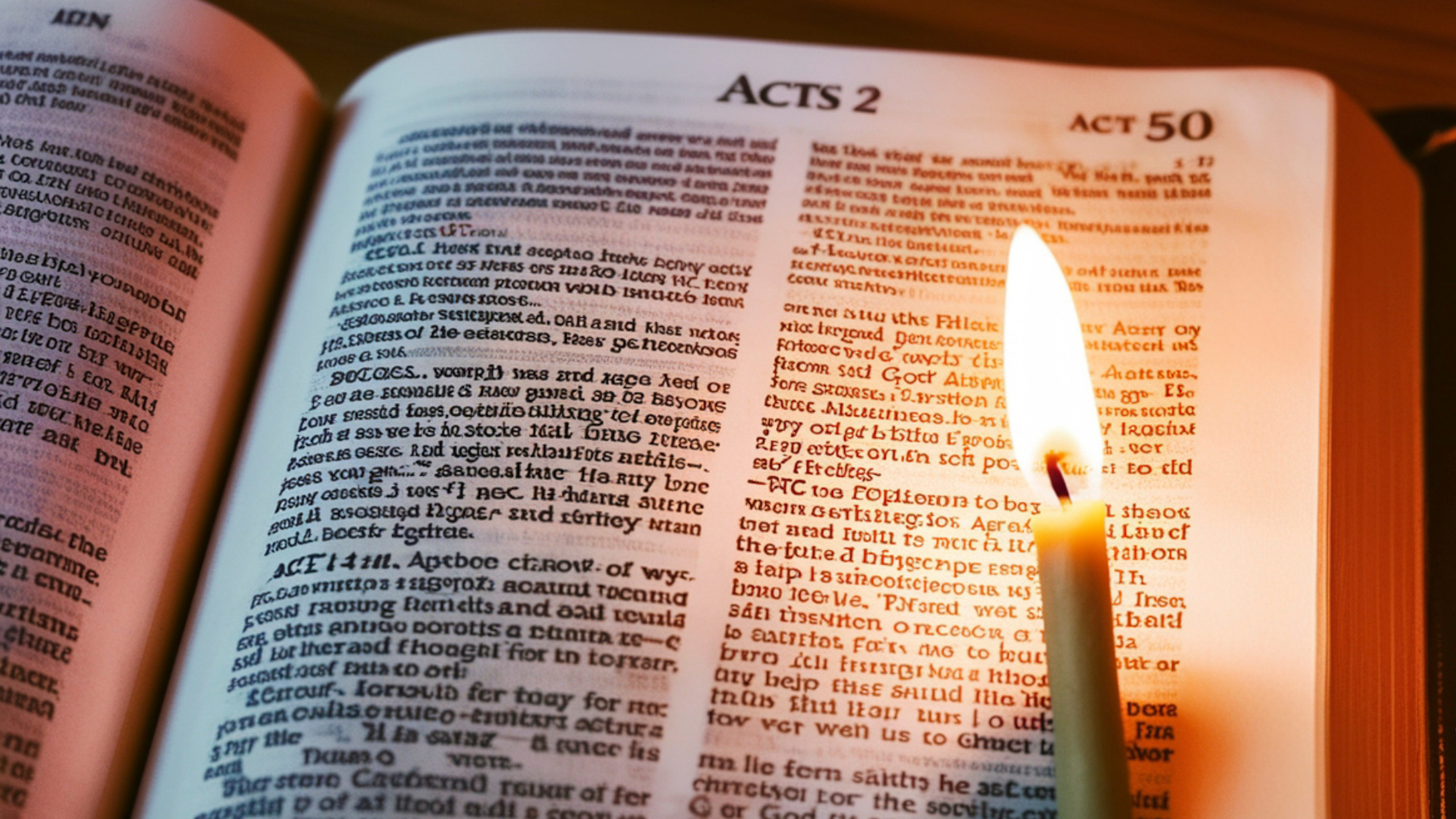
As crowds gathered, some people struggled to understand what was happening. One of Jesus' closest followers, Peter, stood up and addressed them. He explained that these events had been promised long before through the prophets. He then told the crowd about Jesus—His life, His death, and His resurrection.
Many people were deeply moved by Peter's words. When they asked what they should do, Peter encouraged them to turn to God and be baptized. About three thousand people responded that day. This is why Pentecost is often called the birth of the Church.
Why Is Pentecost Important?
Pentecost is important because it changed the course of history:
Pentecost Fulfilled God's Promise
Throughout the Bible, God promised that He would one day pour out His Spirit on His people. Pentecost was seen as the fulfillment of that promise.Pentecost Marked the Beginning of the Church
Before Pentecost, Jesus' followers were mostly waiting and wondering what would happen next. After Pentecost, they began sharing His message publicly and boldly.Pentecost Empowered Believers
The disciples had often been afraid. After receiving the Holy Spirit, they found courage to speak about their faith despite opposition and danger.Pentecost Opened the Door to All Nations
The miracle of languages showed that God's invitation was for everyone. From the beginning, Christianity was intended to cross borders, cultures, and languages.
Pentecost Meaning: Why Pentecost Matters to Christians Today
Pentecost is not only about an event that happened nearly two thousand years ago. For many Christians, the Pentecost meaning is still deeply relevant:
God Still Uses Ordinary People // Jesus' first followers were not famous leaders or powerful rulers. They were ordinary men and women who chose to trust God. Pentecost reminds believers that God can work through anyone.
Waiting Is Not Wasted // The disciples spent days waiting before anything happened. That waiting may have felt confusing, but it was part of the story. Many people experience seasons where answers seem slow to come. Pentecost offers hope that waiting can have purpose.
The Church Is Meant to Be United // People from different nations, languages, and backgrounds came together at Pentecost. That vision of unity remains central to Christianity today.
The Gospel Is for Everyone // The message shared at Pentecost crossed cultural and language barriers from the very beginning. It continues to be a message intended for all people.
How Is Pentecost Celebrated Around the World?
Christians around the world celebrate Pentecost in different ways.
Many churches use the color red, symbolizing the fire associated with the Holy Spirit.
Special services often focus on prayer, renewal, worship, and the work of God's Spirit.
Some traditions call the day Whitsunday, while others place special emphasis on global mission and outreach.
Despite these differences, the central message remains the same: God is present with His people.

A Personal Reflection on Pentecost
Imagine being one of Jesus' followers. Jesus had returned to heaven. The future was uncertain. You had a promise, but no idea when it would be fulfilled. All you could do was wait.
Perhaps you know that feeling.
Maybe you're waiting for direction, healing, clarity, or a new beginning. Maybe you're holding onto hope while wondering when something will change.
The disciples could not force Pentecost to happen. They couldn't create the wind, the fire, or the courage they would soon need. They simply trusted and waited. Then, in a moment they could never have predicted, everything changed.
Whether you consider yourself religious or not, Pentecost offers a powerful reminder: sometimes the most important changes in life begin quietly, during seasons when it feels like nothing is happening at all.
For Christians, Pentecost is the story of a God who comes close, fills people with His presence, and gives them a purpose greater than themselves.
Conclusion: what does Pentecost represent?
Pentecost is far more than an ancient story. It is about courage replacing fear, hope overcoming uncertainty, and people discovering a purpose bigger than themselves.
For Christians, it marks the arrival of the Holy Spirit, the birth of the Church, and the beginning of a mission that continues today. The message of Pentecost has crossed continents, languages, and generations.
And at its heart is a few simple but powerful truths:
God does not leave people to walk through life alone.
God's promises can be trusted.
Waiting often has purpose.
Courage can come from unexpected places.
Unity is possible despite differences.
Ordinary people can make an extraordinary impact.
God's presence changes lives.
Hope is meant to be shared.
Frequently Asked Questions About Pentecost
When is Pentecost celebrated?
What happened at Pentecost?
Why is Pentecost called the birthday of the Church?
Why tongues of fire? What do they symbolize?
Is Pentecost still relevant today?
When is Pentecost celebrated?
Pentecost is celebrated fifty days after Easter Sunday and ten days after Ascension Day. In the coming years Pentecost will be celebrated on the following dates:
Pentecost 2027: May 16, 2027
Pentecost 2028: June 4, 2028
Pentecost 2029: May 20, 2029
Pentecost 2030: June 9, 2030
Pentecost 2031: June 1, 2031
What happened at Pentecost?
According to the Bible, the Holy Spirit came upon Jesus' followers. They spoke in different languages, shared the message of Jesus, and thousands became believers.
Why is Pentecost called the birthday of the Church?
Because it marks the beginning of the Church's public mission and the rapid growth of the first Christian community.
Why tongues of fire? What do they symbolize?
They symbolize God's presence, power, and the work of the Holy Spirit.
Is Pentecost still relevant today?
Yes. Christians see Pentecost as a reminder that God continues to guide, empower, and transform people through His Spirit.